
English
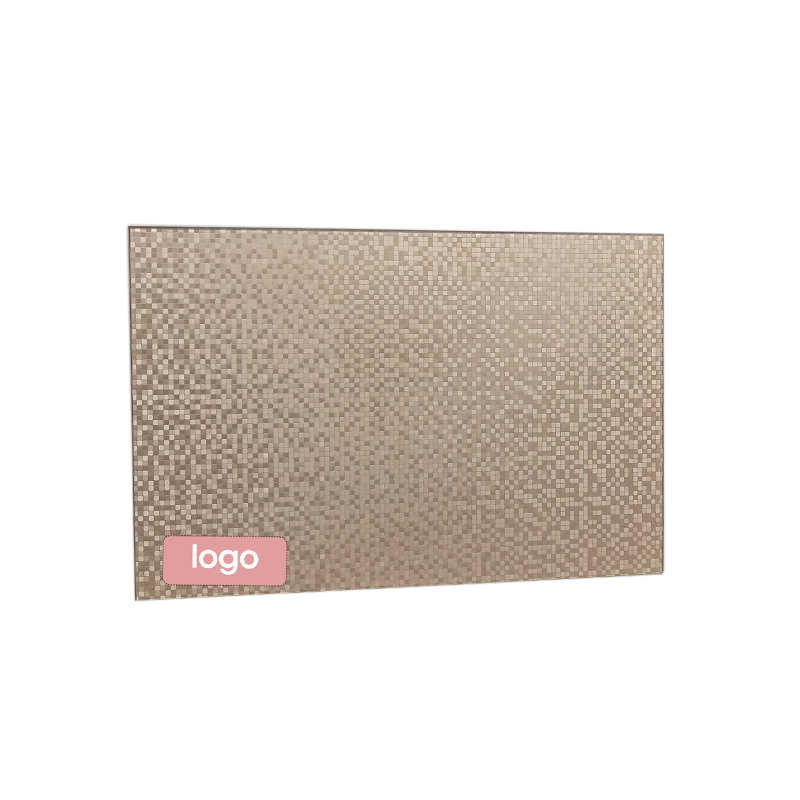
4mm Tempered Float Glass Sheets for Appliance Door & Panel Systems
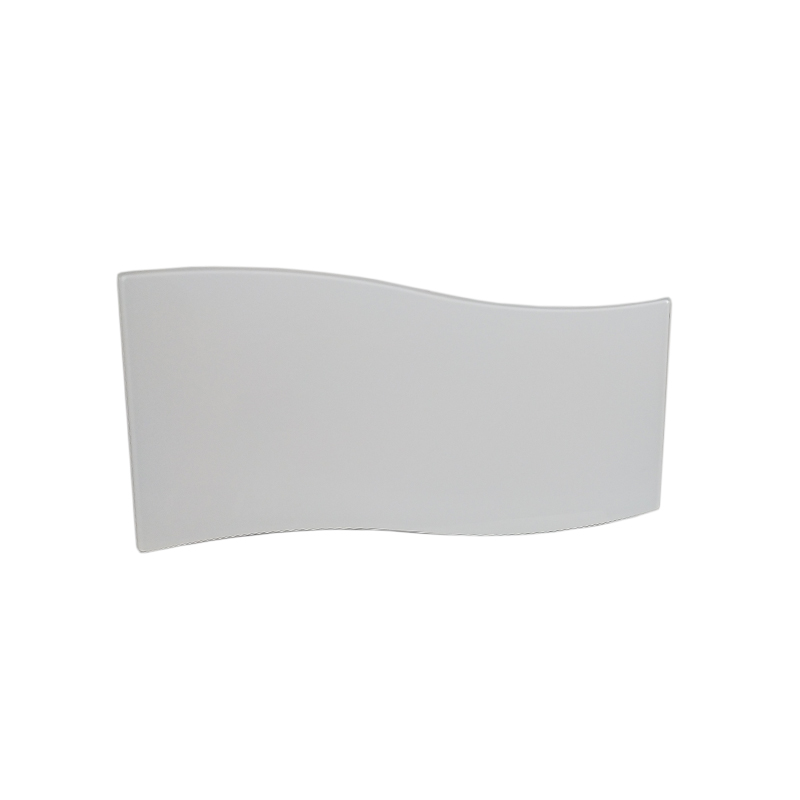
6mm Toughened Glass Systems for Refrigerator, Oven & Stove Applications
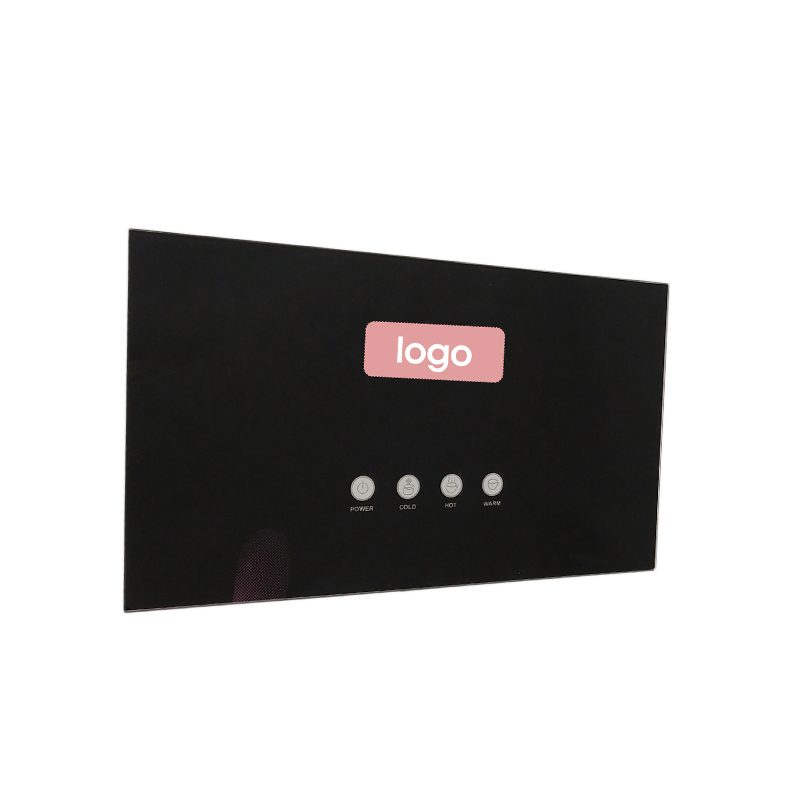
Tempered Decorative Glass Panel Systems for Refrigerators, Ovens & Range Hoods
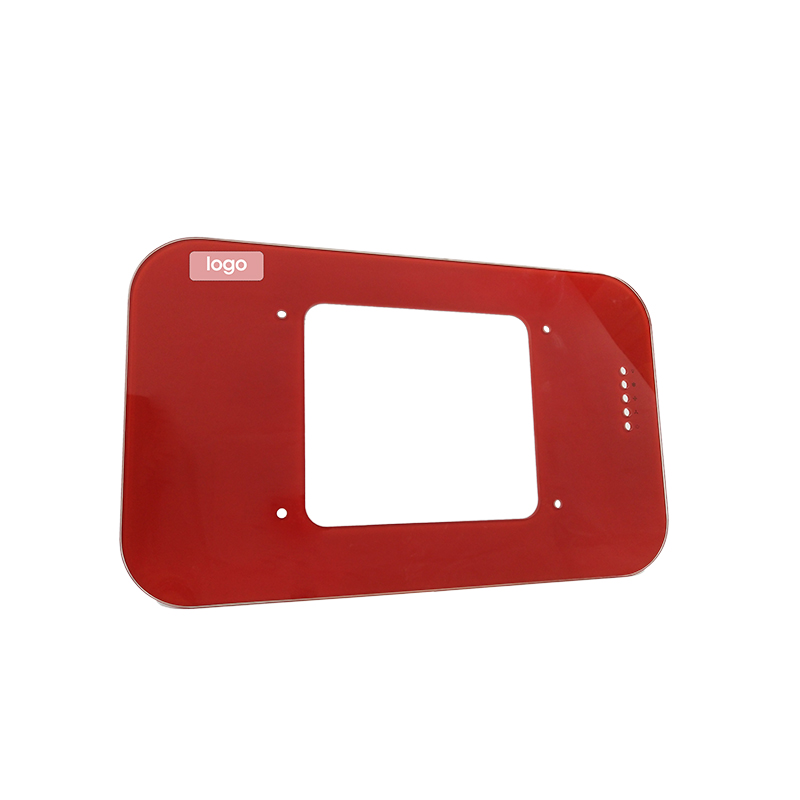
Tempered Glass Panels for Range Hoods – Curved & Flat Designs for Ventilation Systems
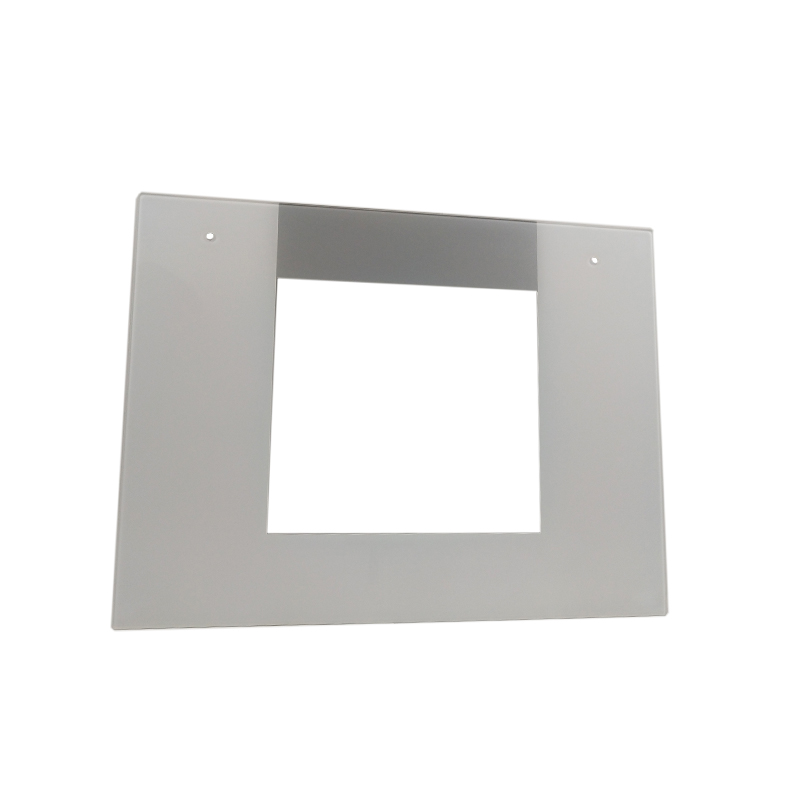
OEM Tempered Glass Control Panels for Kitchen Chimney Hoods – Custom Shapes & Finishes
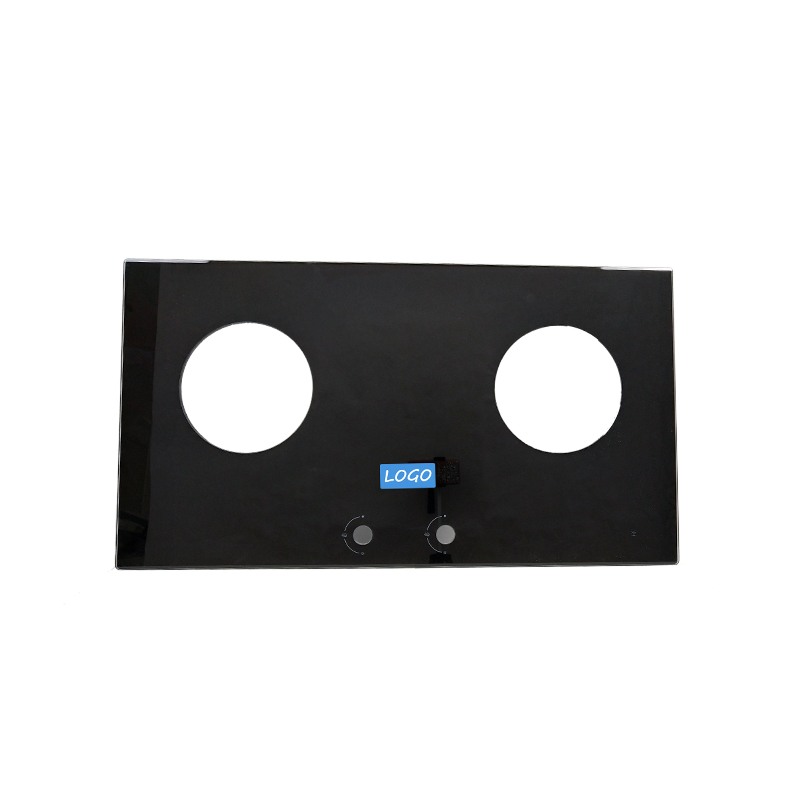
Custom Tempered Glass Panels for Stove Surfaces – Mirror, Frosted & Matte Finishes Available
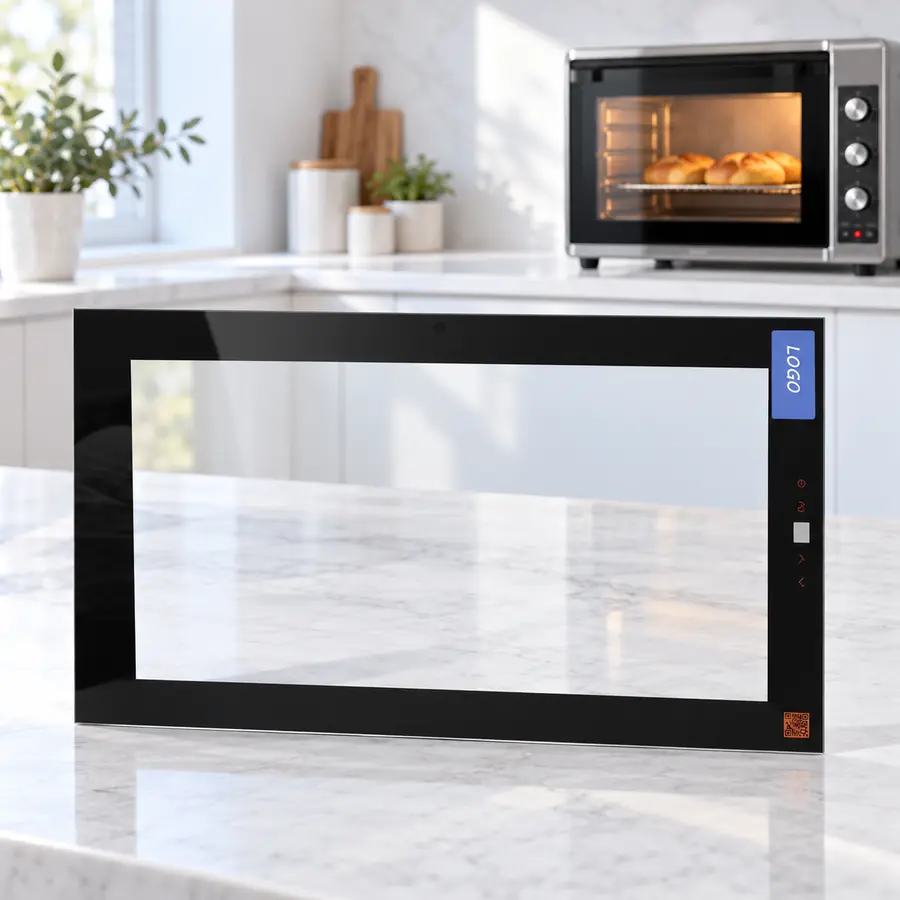
Custom Microwave Oven Door Glass for OEM Appliances,Heat Resistance,Clear
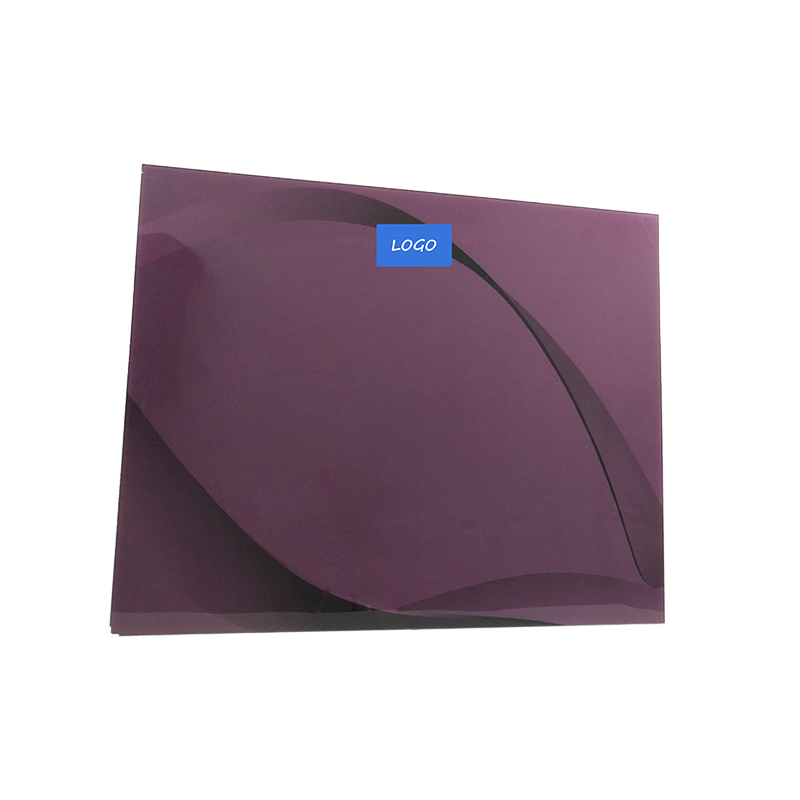
Tempered Glass Door Systems for Refrigeration Appliances – Custom Silk-Screen, Mirror & Frosted Finishes
Home Appliance Glass Manufacturing Industry in 2026: Market Trends, Leading Chinese Suppliers & OEM Sourcing Guide
NOV.06,2026Clear Float 6MM Toughened Glass: An Overview
APR.18,2023Oven Door Glass: What You Need To Know
MAR.14,2023Benefits of Choosing a Reputable Tempered Glass Manufacturer
MAR.09,2023Refrigerator part: tempered glass panels
OCT.25,2022Tempered glass panel: what you need to know
OCT.25,2022Importance of tempered glass sheet
OCT.08,2022The Many Uses of Tempered Glass Sheets
OCT.08,2022Tempered Glass Sheet from Zitaglass: A Lightweight Alternative to Polished Glasses and Mirrors
SEP.26,2022Types of Oven Door Glass for ovens and microwaves in the kitchen
SEP.26,2022


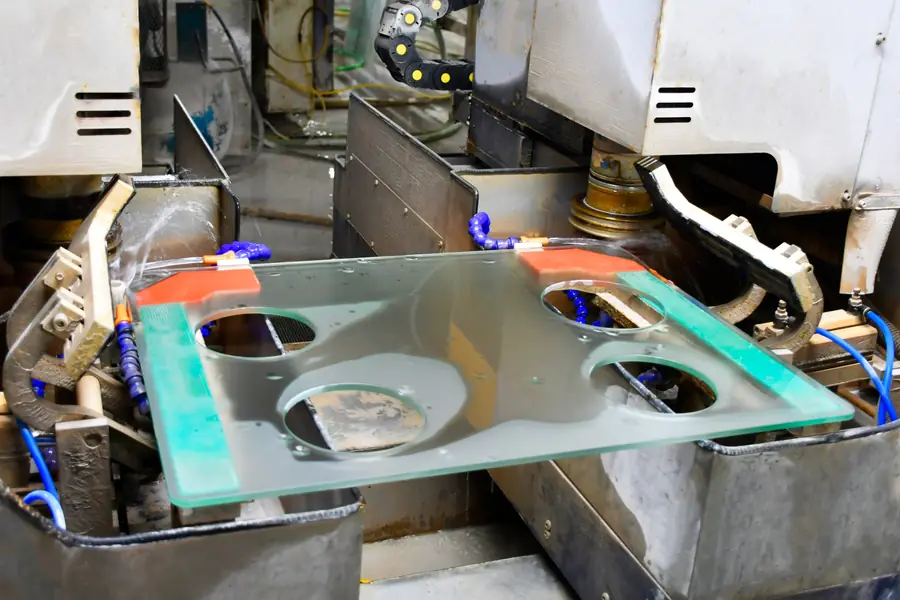
Appliance glass is a specialized glass deep-processing category involving cutting, edge grinding, drilling, tempering, printing and surface finishing. Each end use has distinct thermal, mechanical, cosmetic and assembly requirements.
Appliance glass is a specialized glass deep-processing category involving cutting, edge grinding, drilling, tempering, printing and surface finishing. Each end use has distinct thermal, mechanical, cosmetic and assembly requirements.
| Application | Typical Components | Primary Purchasing Priorities |
|---|---|---|
| Refrigerators / freezers | Decorative door panels, shelves | Color consistency, visual quality |
| Ovens | Inner/outer door glass, control panels | Temperature suitability, safety, precision |
| Cooktops / stoves | Surface glass, decorative controls | Material selection, heat resistance, cutouts |
| Range hoods | Decorative fronts, touch-control glass | Printing accuracy, geometry, finish |
| Other uses | Glass cutting boards, tabletops | Surface quality, edge finishing, decoration |
As of 4 November 2026, the latest broadly available comparable statistics cover January–September 2026. These downstream indicators describe appliance production, exports and retail activity—not the size or growth rate of the processed appliance glass market. Full-year 2025 figures are retained below as historical context, not directly compared with nine-month 2026 totals.
| Indicator (China) | Jan–Sep 2026 | Year-on-Year Change |
|---|---|---|
| Household refrigerator production | 88.397 million units | +11.0% |
| September refrigerator production (single month) | 11.031 million units | +9.2% |
| Household appliance exports, value | USD 80.409 billion | +9.4% |
| Household appliance exports, volume | 3.607 billion units | +7.4% |
Historical baseline: 2025 full-year industry indicators (different time period; not directly comparable with 2026 January–September totals).
| Indicator | 2025 Full-Year Value | 2025 Year-on-Year |
|---|---|---|
| China household refrigerator production | 109.24 million units | +1.6% |
| Home appliance industry operating revenue | RMB 1.97 trillion | +0.1% |
| Home appliance industry profit | RMB 169.1 billion | −3.3% |
| Home appliance exports | USD 111.41 billion | −0.9% |
| Kitchen appliance retail sales (AVC scope) | RMB 161.3 billion | −8.5% |
2026 sources: National Bureau of Statistics production series (reported by Mysteel, 21 October 2026); National Bureau of Statistics retail release (19 October 2026); China Household Electrical Appliances Association / customs export report (26 October 2026). See source URLs at the end.
Interpretation: refrigerator production grew strongly in January–September 2026 (+11.0%), while above-designated-size household-appliance retail sales declined (-4.9%). Appliance exports rose (+9.4% in value).
Refrigerator glass: the 11.0% increase in refrigerator output indicates a stronger downstream manufacturing environment, but glass-panel adoption rates, product mix and inventory determine actual glass demand.
Exports: 9.4% growth in total appliance export value suggests overseas demand opportunities for Chinese supply chains, but is not a measured export growth rate for appliance glass.
Decorative glass contributes to premium refrigerator design, particularly on multi-door and integrated kitchen models. OEM buyers increasingly request customized colors, printed patterns, matte or anti-glare appearances and consistent results across production batches.
Oven glass can face repeated heating and cooling, strict assembly tolerances and demanding safety requirements. Glass composition, tempering, printing systems and placement must be validated for the specific oven design. A decorative refrigerator panel cannot automatically be used as high-temperature oven glass.
Cooktop surfaces combine minimalist design with significant material constraints. Certain high-temperature applications require specialized glass-ceramic rather than ordinary tempered soda-lime glass. Suppliers must confirm compatibility with the actual heating technology and applicable standards.
Trends include black integrated surfaces, concealed displays, accurate printed icons and precise openings for gas cooking equipment.
Range hood manufacturers use decorative front glass, curved panels and touch-control interfaces. Important capabilities include consistent silk-screen graphics, accurate icon registration, custom cutouts and stable dimensional quality for assembly.
More appliance-specific colors, graphics and finishes create demand for flexible sample development.
Touch controls and display windows raise requirements for printing alignment and dimensional precision.
Buyers increasingly evaluate cosmetic defects, color deviation, edge finish and process traceability.
Scrap reduction and measurable process efficiency matter more than unsupported environmental claims.
Global buyers assess logistics, documentation, lead times and communication as well as price.
Early design-for-manufacturing feedback can reduce rework and launch delays.
China is one of the world’s most established manufacturing bases for household appliances and their supporting components. Its appliance-glass supply chain includes raw-glass producers, specialist deep-processing factories, decorative printing providers and manufacturers of assembled glass-door systems. This industrial network gives international buyers access to a broad range of production methods and sourcing options. However, the presence of a large supplier base does not mean that every factory can meet the same technical specifications or production requirements.
The Chinese appliance-glass manufacturing landscape is highly segmented. Some manufacturers focus on large-volume refrigerator and freezer glass, where appearance consistency, panel dimensions and stable output are important. Others concentrate on oven door glass, cooker-related panels or range hood control glass, which can require different material properties, thermal validation, precise cutouts and application-specific printing. A supplier experienced in decorative refrigerator panels should not automatically be assumed to have qualified high-temperature oven or glass-ceramic cooktop capabilities.
For global appliance brands and OEM/ODM purchasers, supplier selection is increasingly about matching the manufacturing process to the product design. Beyond price, buyers should assess drawing interpretation, sampling speed, dimensional tolerances, color matching, print durability, inspection records, packaging and the ability to maintain consistency across repeat orders. Clear communication on material selection and product testing is especially important when developing new models or transferring production between suppliers.
The following examples represent different positions within China’s appliance-glass ecosystem, from established glass-processing businesses to suppliers offering project-specific customization.
Appliance glass is a specialized glass deep-processing category involving cutting, edge grinding, drilling, tempering, printing and surface finishing. Each end use has distinct thermal, mechanical, cosmetic and assembly requirements.
| Manufacturer | Representative Focus / Qualification Note |
|---|---|
| ZITA Glass | Customized decorative and processed glass for refrigerator, oven, stove and range hood projects. |
| Xiuqiang Glass | Processed glass and appliance-related products; confirm project-specific lines. |
| Samsung New Materials | Glass doors for refrigerated storage equipment. |
| Anhui Xincai | Home appliance glass. |
Provide application, drawings, thickness, tolerances, temperature exposure, finish, artwork, annual volume and packaging requirements.
Check cutting, CNC drilling, edge grinding, tempering, printing and final inspection capability; identify outsourced steps.
Ask for relevant project references and material recommendations for the intended operating environment.
Evaluate dimensions, visual defects, color, printing registration, assembly fit and performance against written criteria.
Verify actual inspection methods, traceability and the scope and validity of claimed certificates.
Include tooling, sample fees, yield, packaging, freight, defect resolution and delivery risk.
Prefer clear engineering feedback, controlled drawing revisions and realistic lead-time commitments.
ZITA Glass focuses on customized appliance glass components for OEM/ODM customers. Its product portfolio covers refrigerator, oven, stove and range hood glass, with options for decorative printing and precision processing according to approved technical specifications.
Technical suitability, temperature resistance, certification scope and production capacity should be confirmed for each specific project.
China has specialized processors and glass-door manufacturers, including Xiuqiang Glass, Samsung New Materials, and ZITA Glass. Their specialties differ.
Yes. Color, patterns, logos and finishes can be evaluated according to glass construction and printing process.
No. Some designs require specialized glass-ceramic and application-specific validation.
Material, temperature exposure, dimensions, edge finishing, printing compatibility and applicable tests.
Many OEM processors support drawing-based customization; complete specifications and sample approval are essential.
Compare total landed cost, technical compliance, packaging, quality assurance and delivery reliability.
ZITA Glass offers custom glass development and processing discussions based on drawings, samples and project requirements.
The appliance glass industry is becoming more customized and technically demanding. China remains a major supply base, but the best sourcing outcome depends on matching the right materials, processes, engineering support and quality controls to each application. Buyers should qualify suppliers using clear drawings, samples, agreed acceptance criteria and total procurement cost.
Contact ZITA Glass: www.zitaglass.com — Share your drawings, technical requirements and estimated quantities to discuss an OEM/ODM appliance glass project.