
English

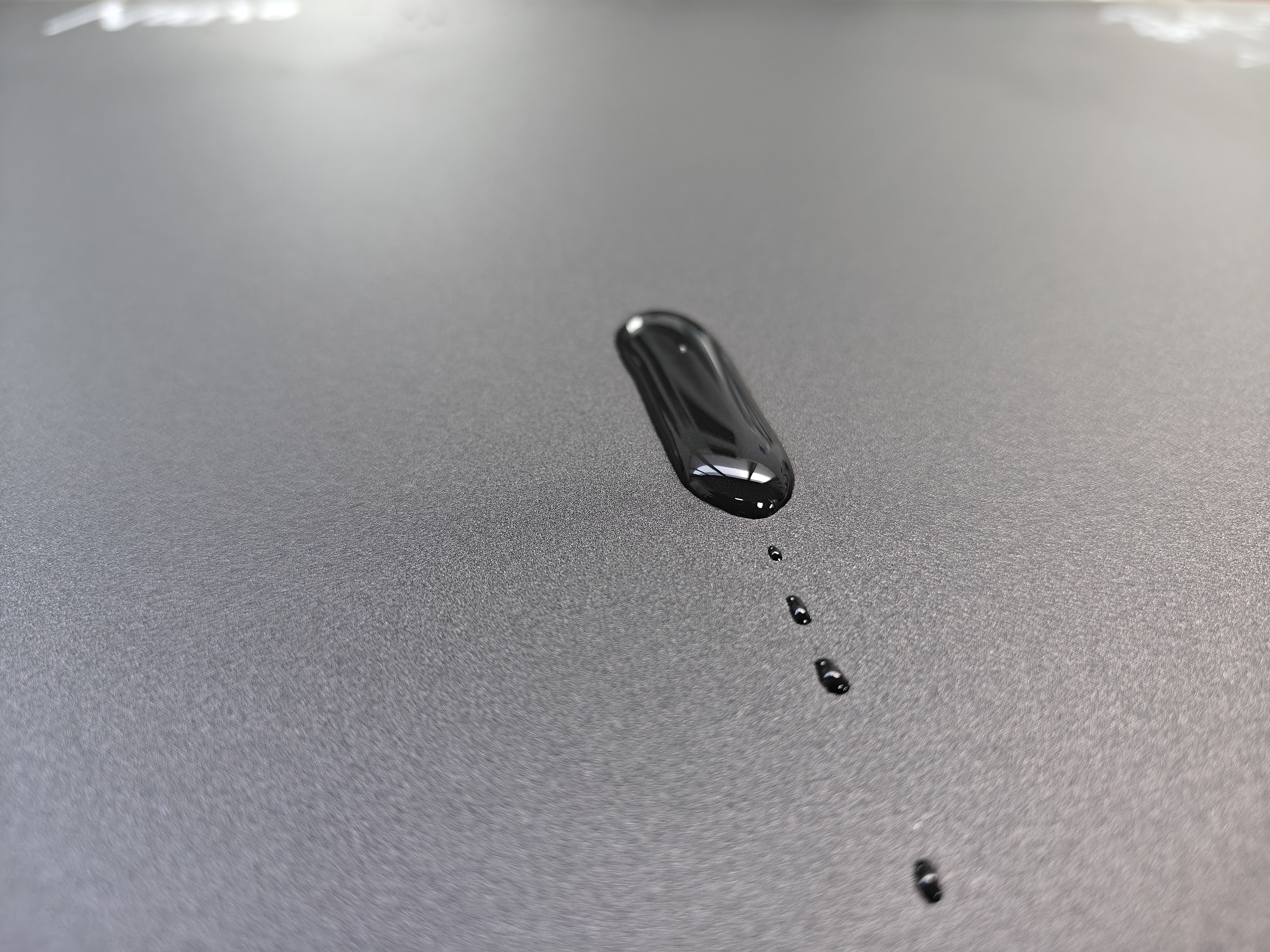
Water beading on glass offers a visible demonstration of how surface engineering can change an appliance panel’s interaction with moisture. ZITA Glass offers lotus-inspired hydrophobic surface solutions for custom appliance glass, helping OEM customers develop panels with water-repellent behavior and easier everyday care.
The treatment creates a water-repellent surface layer that encourages water to gather into droplets. For appliance designers, this provides an opportunity to combine decorative glass with a functional surface finish tailored to the product’s cleaning and use conditions.
The lotus leaf is known for its ability to shed water. Its surface combines water-repellent chemistry with microscopic texture, allowing droplets to move with little adhesion under suitable conditions. As droplets travel, they can pick up loose dirt particles.
Engineered hydrophobic glass draws on this principle by modifying the surface interaction with water. The resulting droplet shape and mobility depend on the treatment, surface condition and liquid. Contact angle describes how a droplet sits on the surface, while roll-off behavior describes how readily it moves when the panel is tilted. Both help characterize performance. Technical background from KRÜSS Scientific
For ZITA Glass projects, the intended application guides the surface specification. The supplied demonstration photograph shows water gathering into distinct droplets on a glass sample, illustrating the visible water-beading effect.
Hydrophobic treatment encourages water to form droplets with a smaller wetted footprint than it would on a readily wettable surface. This behavior can make splashes easier to collect and remove during routine cleaning.
Panel orientation matters. A vertical or inclined surface gives droplets an opportunity to drain under gravity, while a horizontal panel may require wiping or tilting. Droplet size and surface cleanliness also affect movement.
Where droplets move readily across the surface, they can help carry away loose particles. This creates an easy-care benefit for exposed glass panels, particularly where water splashes are common.
The cleaning result also depends on what reaches the surface. Hard-water deposits, dried spills and cooking residues should be included in an application’s cleaning assessment. Prompt removal of standing water helps limit residue left behind after evaporation.
Appliance glass serves both a functional and a visual role. A surface treatment should be assessed together with the approved color, printed pattern, gloss level and viewing areas.
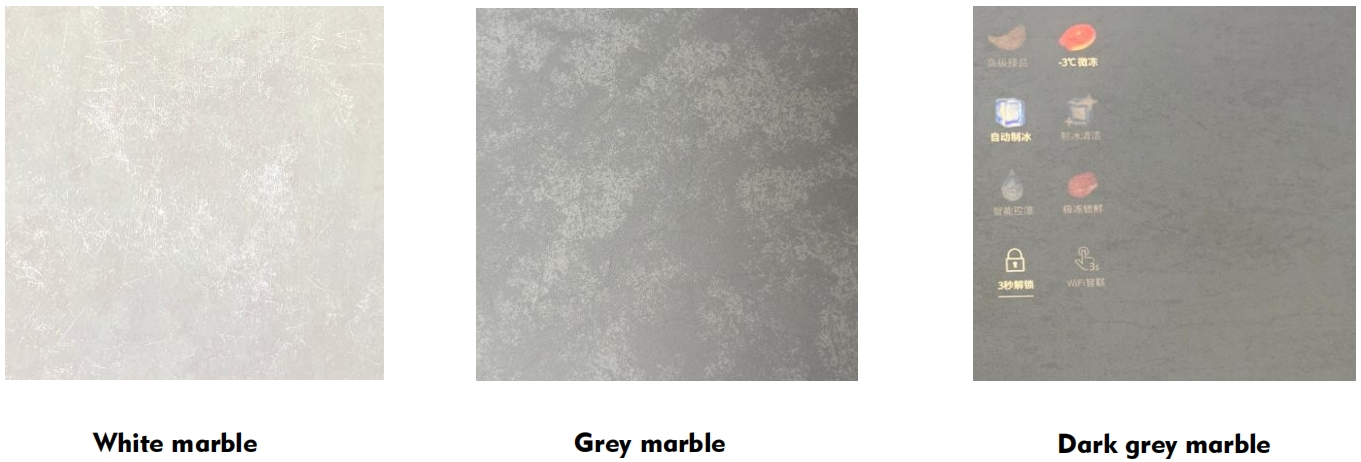
ZITA Glass can discuss hydrophobic finishes alongside other available surface options, including anti-fingerprint treatments, tactile marble patterns, nano coatings and decorative sparkling effects. The combination is reviewed for each design so the selected finish supports the intended appearance and use.
Surface treatment is one part of a custom glass component. Panel geometry, holes, cutouts and edge finishing also influence how it looks and fits into an appliance.
ZITA Glass provides precision edge processing as part of its custom solutions. Customers can specify the required profile and visible-edge finish, with acceptance criteria agreed during drawing and sample review.
Potential applications for project review include refrigerator exterior panels, appliance control fascias and other exposed glass surfaces where water splashes and regular wiping are expected.
For cooktop surfaces, oven glass or areas close to a heat source, the review should include the actual surface temperature, cleaning products and exposure conditions. Coating selection and validation need to match the intended location on the appliance.
An OEM specification should identify the treated face, the areas that require treatment and any areas used for bonding or assembly. Artwork, clear windows and touch-control areas can then be reviewed alongside the proposed surface finish.
A sample assessment connects the visible beading effect with the demands of the finished appliance. Customers and ZITA Glass can agree on the evaluation conditions before approving the surface specification.
Water behavior. Define the liquid, droplet volume and sample condition. Where needed, assess contact angle and droplet movement at an agreed inclination.
Cleaning performance. Use representative contamination and the intended cleaning method. Compare the effort needed to remove water, residue and other deposits under repeatable conditions.
Durability. Agree on cleaning or wiping cycles and the relevant detergent, temperature and humidity exposure. Check water behavior and appearance again after those exposures.
Appearance and integration. Review color, haze, gloss, printing and any clear viewing areas. Check compatibility with bonding, sealing and assembly requirements where applicable.
Hydrophobic performance, oil repellency and fingerprint resistance have separate evaluation requirements. For kitchen applications, including representative oil and fingerprint marks in the sample assessment helps define the finish the buyer needs.
It changes the glass surface so water tends to bead into droplets. Depending on the treatment and conditions, droplets may move more readily and help remove loose contamination.
It can make water and some loose contamination easier to remove. The benefit should be assessed with the appliance’s expected spills, panel orientation and cleaning routine.
Agree on the relevant exposure conditions and repeat the appearance and water-behavior checks after testing. The acceptance criteria should reflect how the finished appliance will be used and maintained.
ZITA Glass can review the proposed surface treatment with the panel drawing, appearance requirements and application details. Sample approval establishes the reference for the selected design.
Share your glass drawing, application, required appearance and cleaning conditions with ZITA Glass. Our team can review hydrophobic surface options, edge processing and sample requirements for your OEM or ODM project.
From water repellency to decorative texture, the aim is to develop a glass surface that supports the appliance’s design and everyday use.