
English
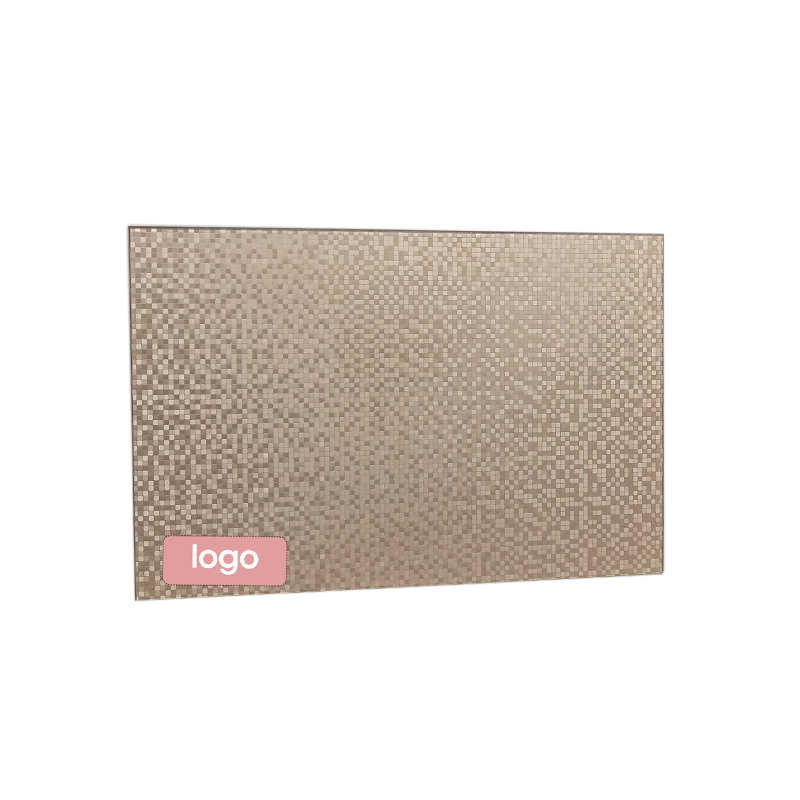
4mm Tempered Float Glass Sheets for Appliance Door & Panel Systems
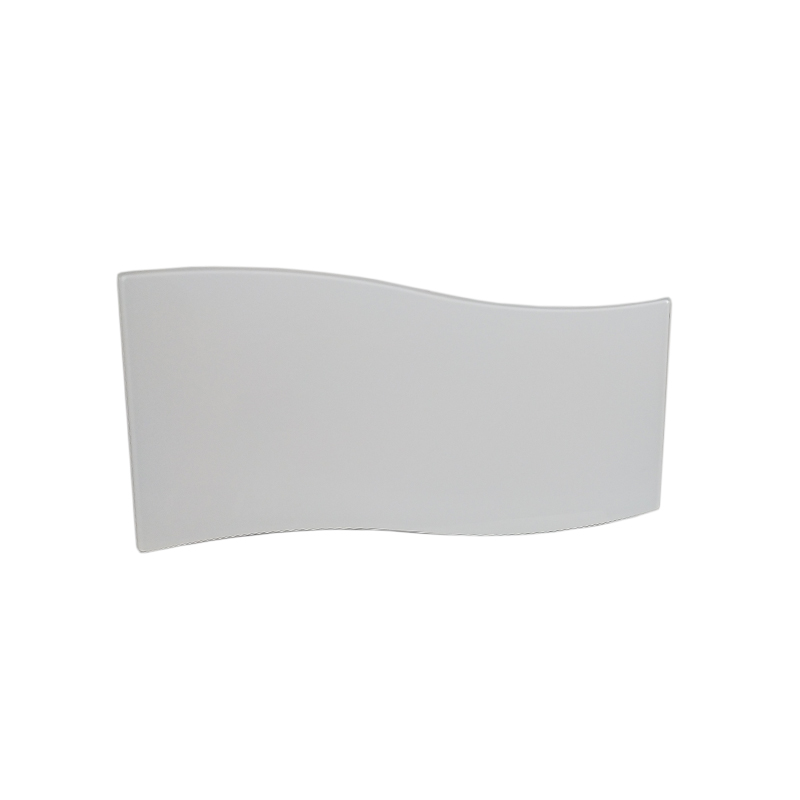
6mm Toughened Glass Systems for Refrigerator, Oven & Stove Applications
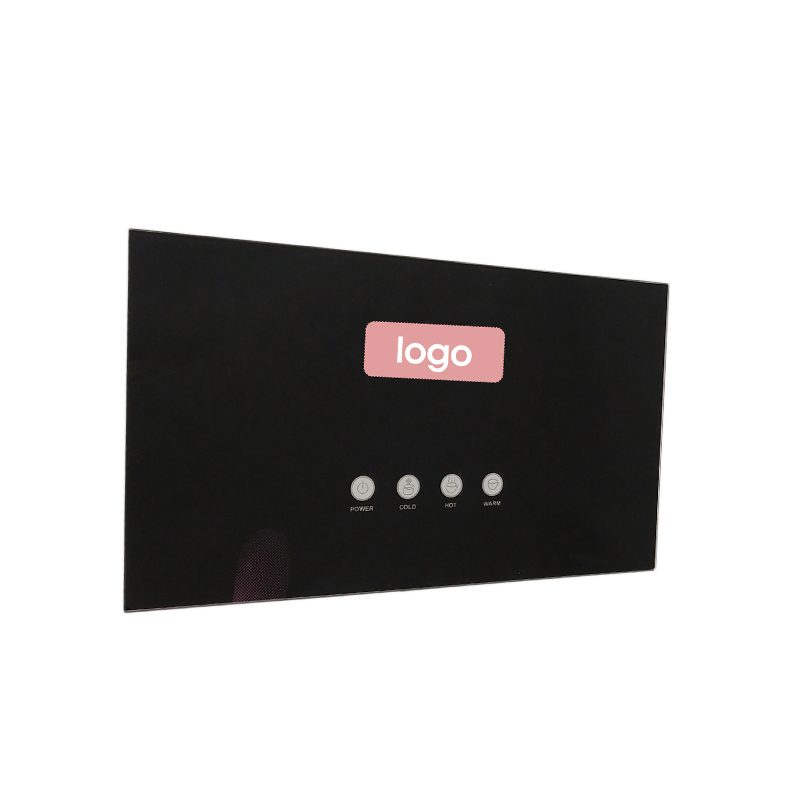
Tempered Decorative Glass Panel Systems for Refrigerators, Ovens & Range Hoods
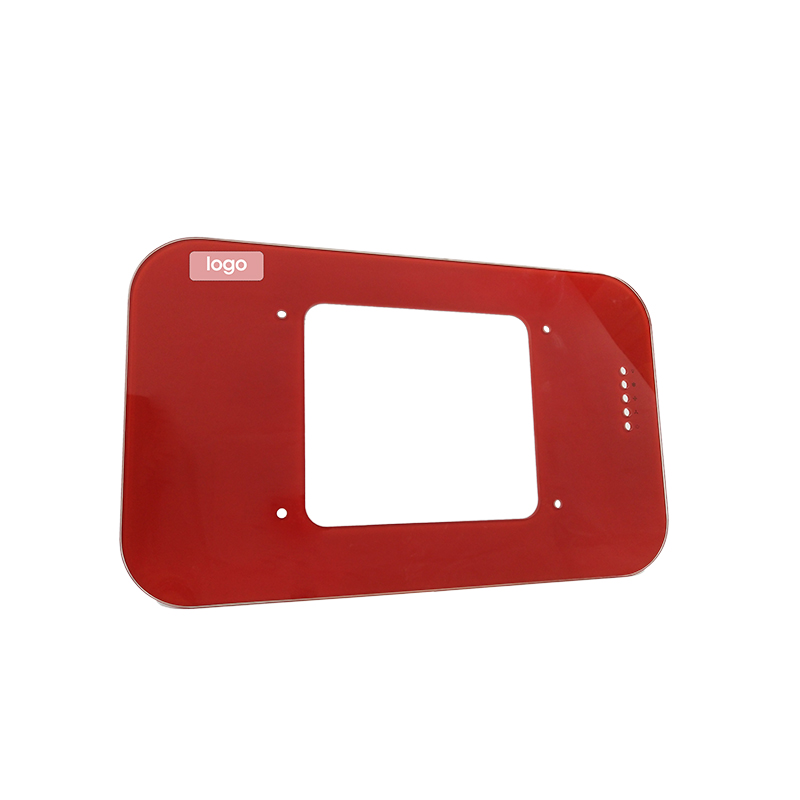
Tempered Glass Panels for Range Hoods – Curved & Flat Designs for Ventilation Systems
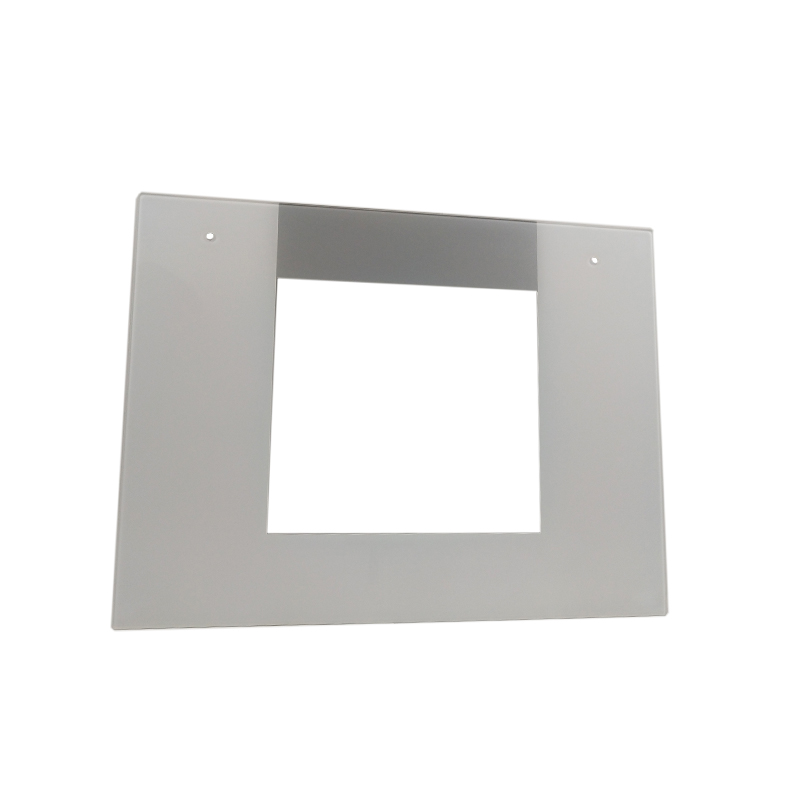
OEM Tempered Glass Control Panels for Kitchen Chimney Hoods – Custom Shapes & Finishes
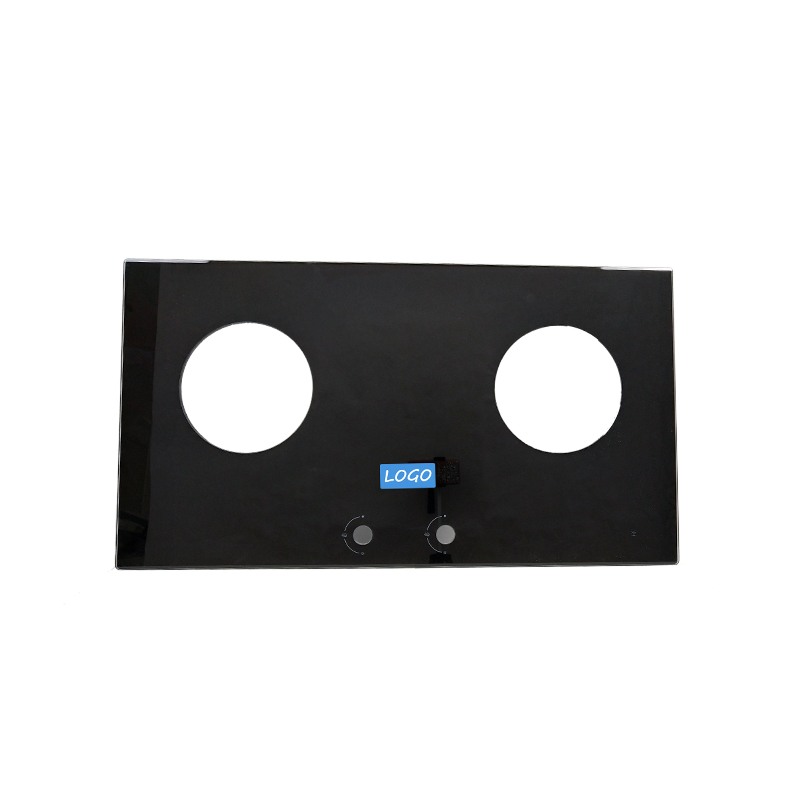
Custom Tempered Glass Panels for Stove Surfaces – Mirror, Frosted & Matte Finishes Available
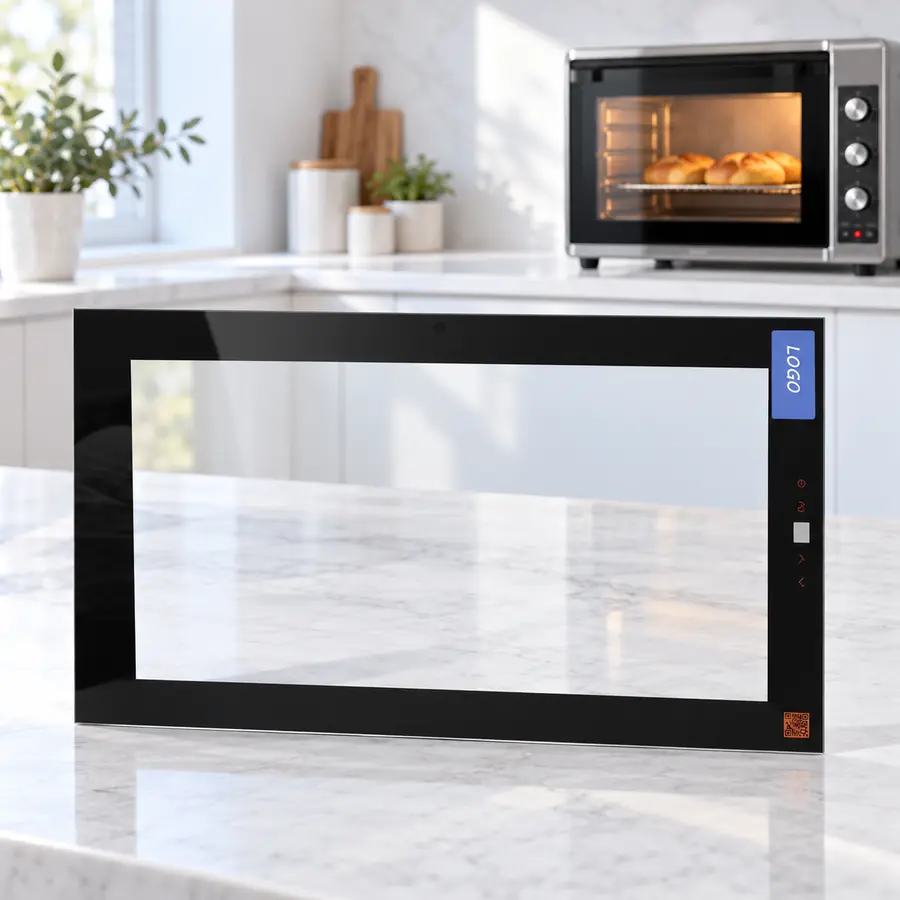
Custom Microwave Oven Door Glass for OEM Appliances,Heat Resistance,Clear
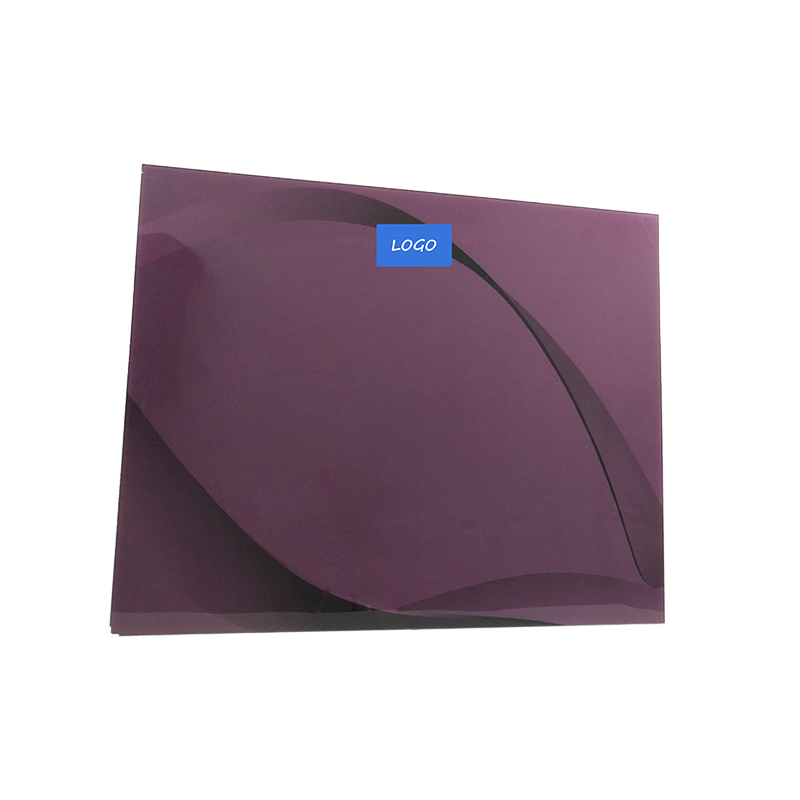
Tempered Glass Door Systems for Refrigeration Appliances – Custom Silk-Screen, Mirror & Frosted Finishes
ZITA Glass’s Fully Automatic Packaging Line for OEM Appliance Glass
NOV.11,2026OEM Appliance Glass Processing: From Precision Drilling to Quality Control
NOV.07,2026Home Appliance Glass Manufacturing Industry in 2026: Market Trends, Leading Chinese Suppliers & OEM Sourcing Guide
NOV.06,2026Clear Float 6MM Toughened Glass: An Overview
APR.18,2023Oven Door Glass: What You Need To Know
MAR.14,2023Benefits of Choosing a Reputable Tempered Glass Manufacturer
MAR.09,2023Refrigerator part: tempered glass panels
OCT.25,2022Tempered glass panel: what you need to know
OCT.25,2022Importance of tempered glass sheet
OCT.08,2022The Many Uses of Tempered Glass Sheets
OCT.08,2022


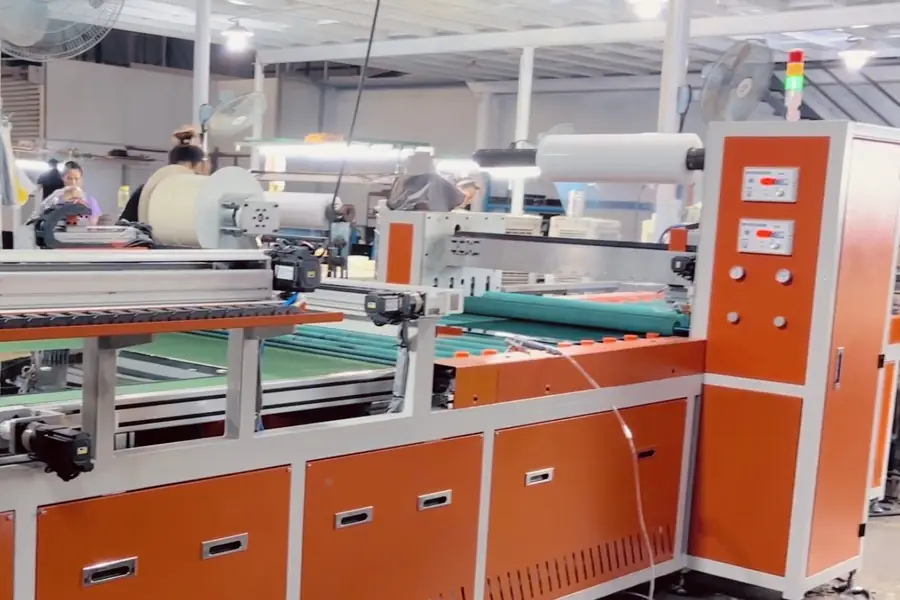
ZITA Glass uses a fully automatic packaging line to apply protective film, place cork spacers and stack OEM appliance glass panels. An inline vision system checks printed logos and patterns before shipment. For export orders that require additional protection, the factory combines polyethylene (PE) bags, desiccant, wooden crates and in-container restraint. Each measure addresses a different risk, from scratches between panels to moisture exposure and cargo movement during transit.
How the Automatic Glass Packaging Line Works
Automatic protective film and cork spacer placement
The line applies protective film to the glass surface to help limit scuffing during packing, handling and unpacking. It then places cork spacers at set positions to keep adjacent panels apart. That separation is particularly useful for decorative appliance glass, where rubbing can leave visible marks on a printed or glossy face. Automated placement helps keep spacer locations consistent from panel to panel within a production run.
Vacuum-assisted handling and automatic stacking
A vacuum-assisted handling head lifts and positions the glass to form an orderly stack. By automating the repeated lifting and placement, the line reduces manual contact with finished panels and helps maintain consistent alignment. Film application, spacer placement and stacking can run in sequence, supporting a steady packing workflow for recurring OEM orders.
Inline vision inspection for printed logos and patterns
The inline vision system checks printed logos and patterns against the requirements set for the order. This gives the factory another opportunity to identify an artwork mismatch before the glass is packed for dispatch. It is especially useful when several appliance models use panels with similar dimensions but different logos or decorative patterns.
How ZITA Glass Protects Appliance Glass During Export Shipping
PE bags and desiccant help manage moisture
For shipments where moisture protection is specified, polyethylene bags provide a barrier around the packed glass, and desiccant absorbs moisture within the package. These measures are useful when cargo spends time in warehouses and freight containers along routes with changing humidity. The packing specification should account for the expected transit and storage conditions.
Wooden crates and container restraint help limit movement
Wooden crates provide a rigid outer enclosure around the protected glass. Crate dimensions and internal support can be matched to the panel size, weight and quantity. Inside the container, blocking and restraint straps help limit crate movement during handling and transit. The cork spacers separate individual panes, while the crate and restraints protect the packed load at the shipment level.
What Automation Means for OEM Appliance Buyers
A repeat order should arrive with a packing arrangement that the receiving team recognizes. Running the same film, spacer and stacking sequence helps ZITA Glass maintain a consistent pack format across production batches. Fewer manual transfers also mean fewer opportunities to touch or rub exposed glass surfaces between inspection and packing.
For refrigerator door glass, oven door glass and range hood control panels, the packing plan starts with the part itself. Panel geometry, weight and finish inform how the glass is separated and supported. The shipment route and the customer’s unloading process then inform how the glass is crated and how many pieces to pack per crate.
Frequently Asked Questions
Which packaging operations are automated?
The line automates protective film application, cork spacer placement and glass stacking. Inline vision supports logo and pattern checks. The export packing plan also covers moisture protection, wooden crating and container restraint.
How are decorative glass surfaces protected in transit?
Protective film covers the specified surface, while cork spacers keep adjacent panels apart. These layers help limit surface contact during packing, shipment and unpacking.
Can the packing format be customized for an OEM project?
Yes. Share the panel drawings, dimensions, unit weight, surface finish, order quantity and shipping destination. ZITA Glass can review the number of pieces per crate, surface protection, moisture-control measures and any receiving or unloading requirements with your team.
Request a Packaging Plan for Your OEM Glass Project
Send ZITA Glass your panel drawings, approved artwork and shipment details. We can review how to protect the glass surface, confirm which artwork checks are needed and discuss a crate configuration that suits your order and receiving process.