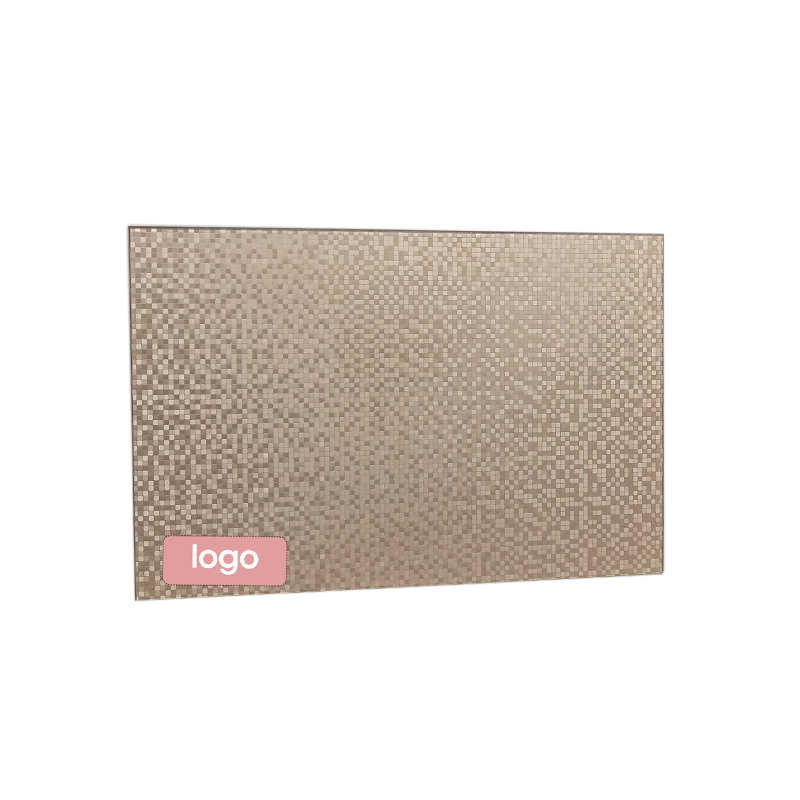
4mm Tempered Float Glass Sheets for Appliance Door & Panel Systems
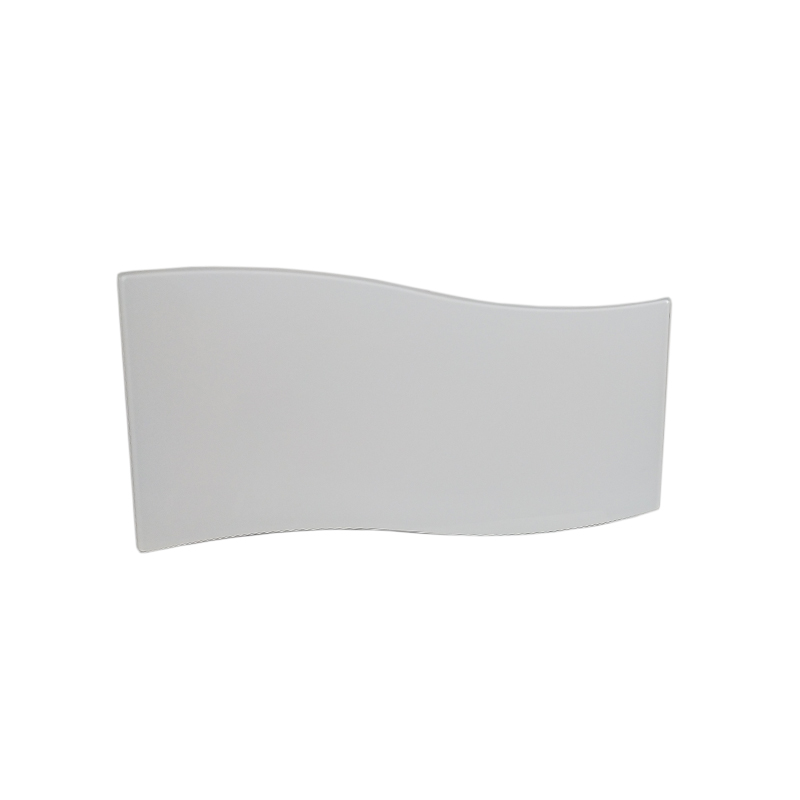
6mm Toughened Glass Systems for Refrigerator, Oven & Stove Applications
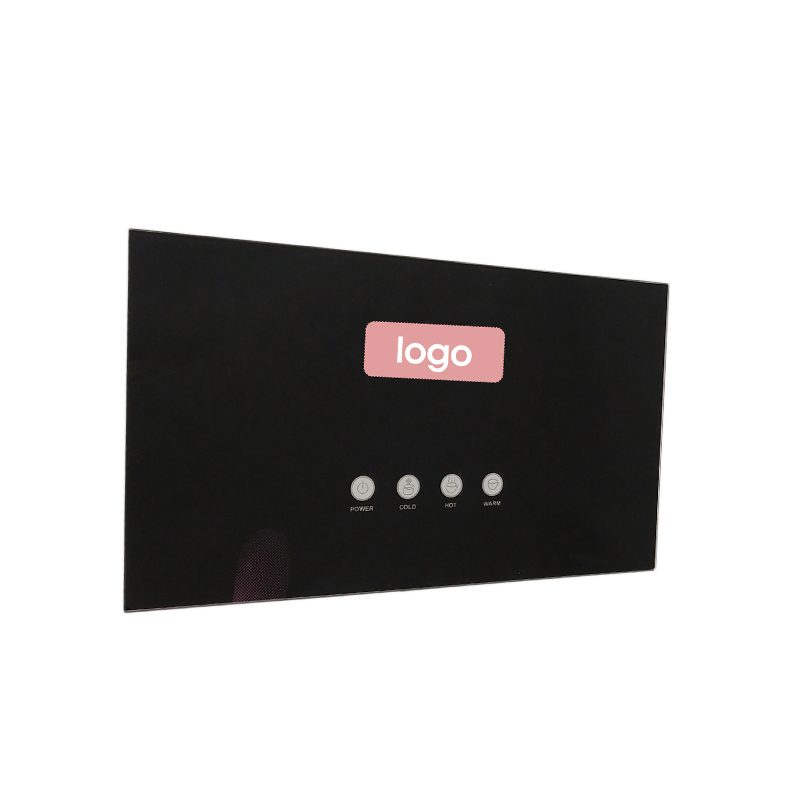
Tempered Decorative Glass Panel Systems for Refrigerators, Ovens & Range Hoods
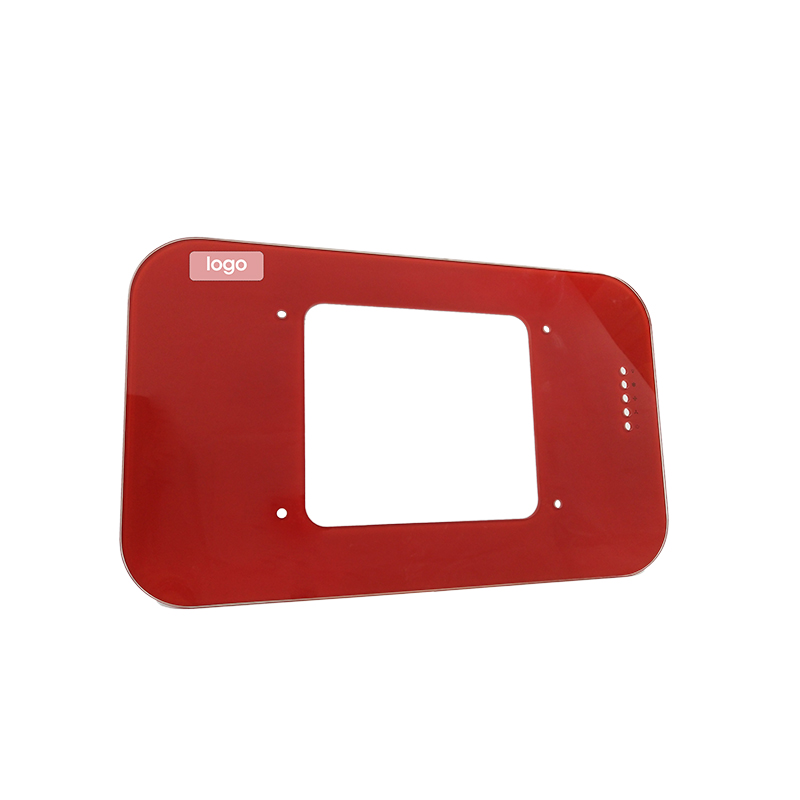
Tempered Glass Panels for Range Hoods – Curved & Flat Designs for Ventilation Systems
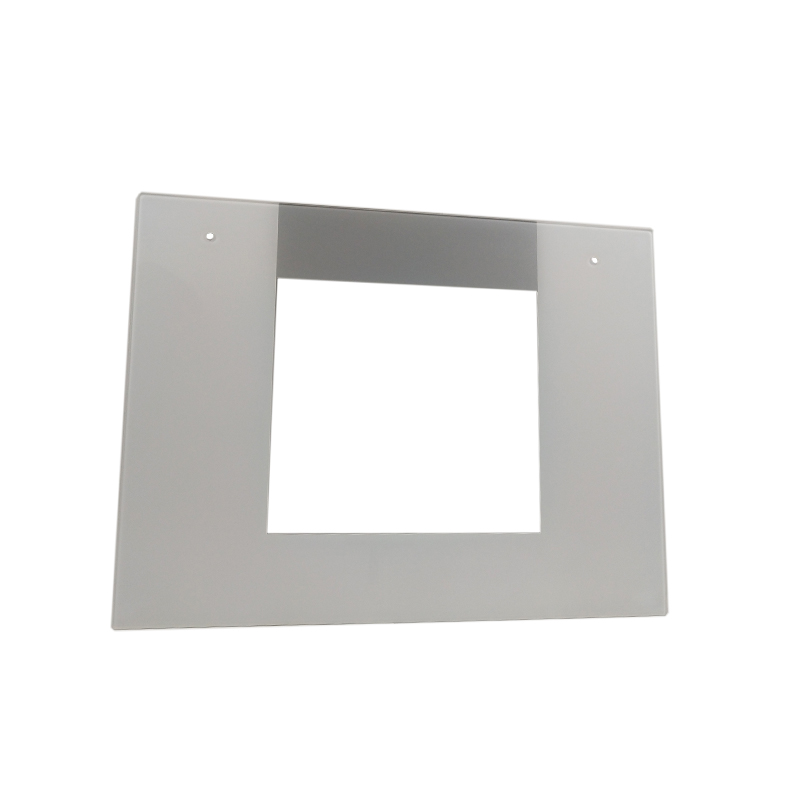
OEM Tempered Glass Control Panels for Kitchen Chimney Hoods – Custom Shapes & Finishes
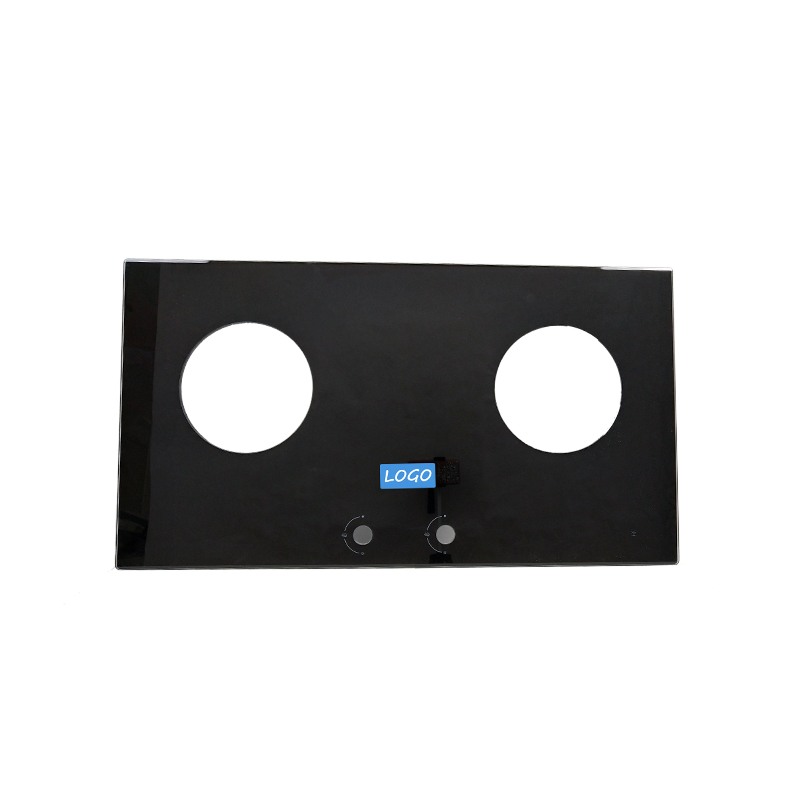
Custom Tempered Glass Panels for Stove Surfaces – Mirror, Frosted & Matte Finishes Available
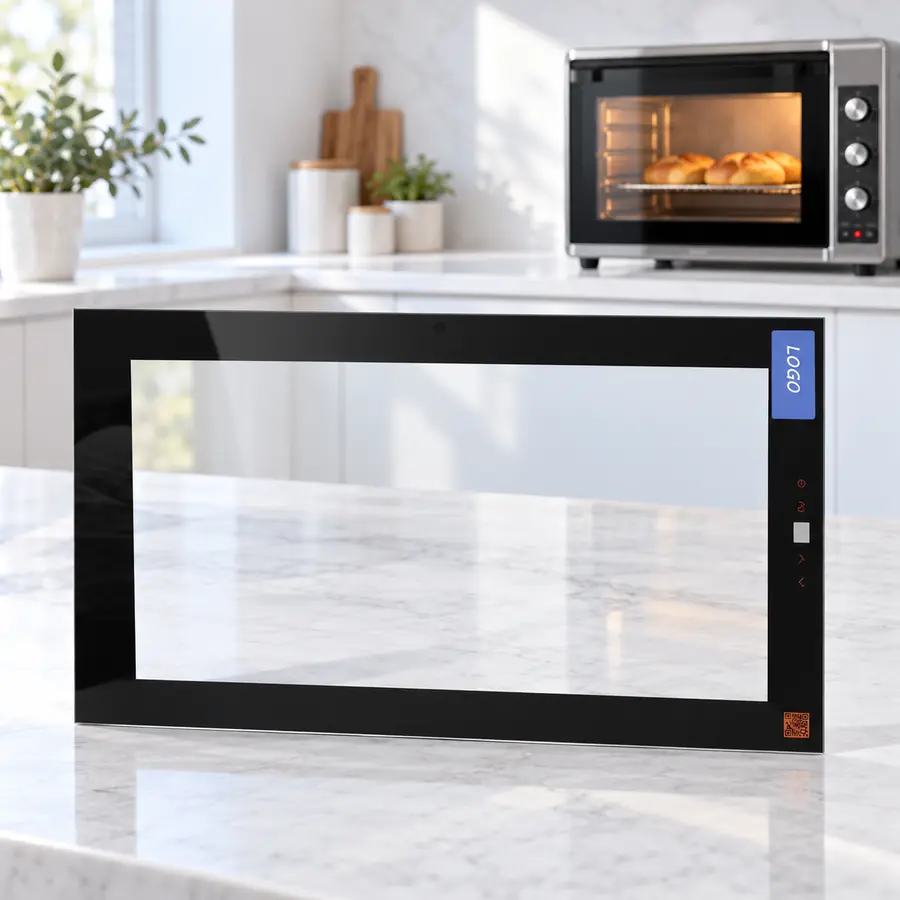
Custom Microwave Oven Door Glass for OEM Appliances,Heat Resistance,Clear
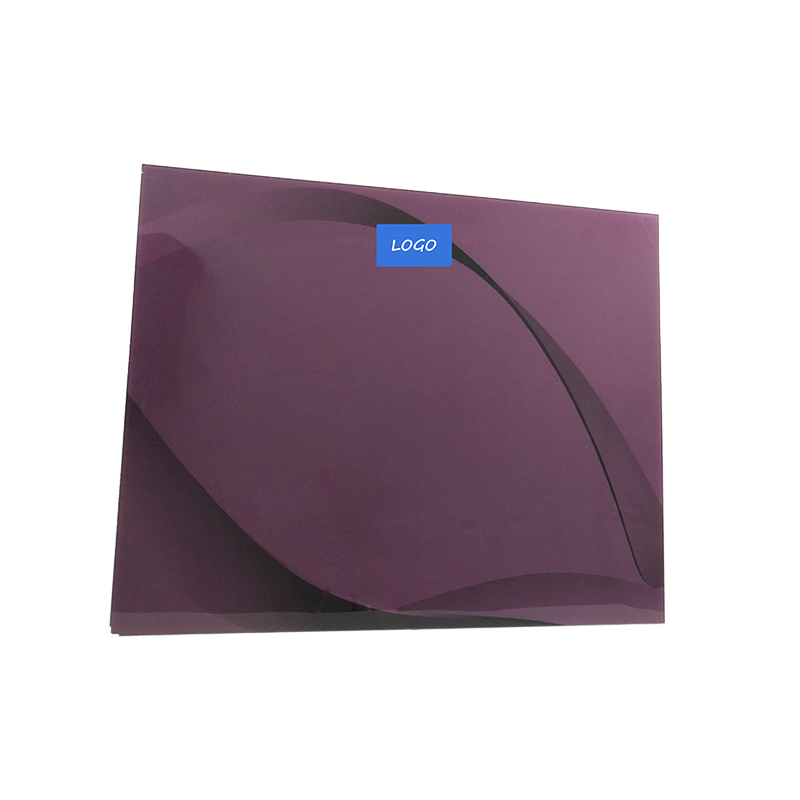
Tempered Glass Door Systems for Refrigeration Appliances – Custom Silk-Screen, Mirror & Frosted Finishes
Clear Float 6MM Toughened Glass: An Overview
APR.18,2023Oven Door Glass: What You Need To Know
MAR.14,2023Benefits of Choosing a Reputable Tempered Glass Manufacturer
MAR.09,2023Refrigerator part: tempered glass panels
OCT.25,2022Tempered glass panel: what you need to know
OCT.25,2022Importance of tempered glass sheet
OCT.08,2022The Many Uses of Tempered Glass Sheets
OCT.08,2022Tempered Glass Sheet from Zitaglass: A Lightweight Alternative to Polished Glasses and Mirrors
SEP.26,2022Types of Oven Door Glass for ovens and microwaves in the kitchen
SEP.26,2022Tempered Glass Description, Benefits, and Application
SEP.26,2022


4mm Tempered Float Glass Sheets for Appliance Door & Panel Systems
6mm Toughened Glass Systems for Refrigerator, Oven & Stove Applications
Tempered Decorative Glass Panel Systems for Refrigerators, Ovens & Range Hoods
Tempered Glass Panels for Range Hoods – Curved & Flat Designs for Ventilation Systems
OEM Tempered Glass Control Panels for Kitchen Chimney Hoods – Custom Shapes & Finishes
Custom Tempered Glass Panels for Stove Surfaces – Mirror, Frosted & Matte Finishes Available
Custom Microwave Oven Door Glass for OEM Appliances,Heat Resistance,Clear
Tempered Glass Door Systems for Refrigeration Appliances – Custom Silk-Screen, Mirror & Frosted Finishes
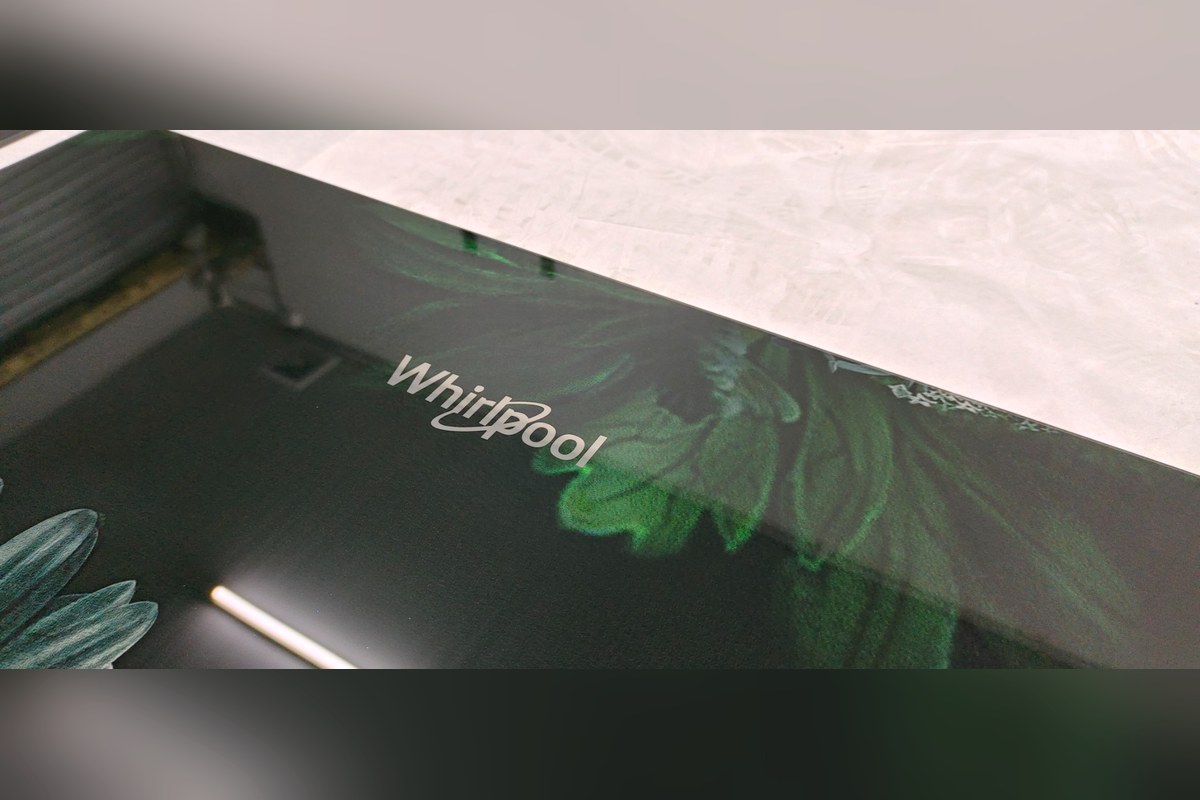
OEM Manufacturing Case Study | Black Silk-Screen Printing & Protective Film Lamination
ZITA Glass manufactures custom refrigerator door glass panels for Whirlpool refrigerators serving the Asian market. This project features 3.2mm fully tempered glass, black silk-screen printing, a crisp Whirlpool logo, and production using automated printing and protective-film lamination equipment. It demonstrates how appliance glass manufacturing can bring together a branded surface finish, consistent processing, and quality verification for OEM refrigerator applications.
For refrigerator brands, the exterior glass panel is both a visible design feature and an engineered component. Buyers need the correct thickness, consistent appearance, dependable processing, and protection during handling. The Whirlpool project illustrates a custom glass solution developed around those requirements rather than an off-the-shelf decorative panel.
| Application | Refrigerator door glass panel |
| Brand / market | Whirlpool / Asian market |
| Glass specification | 3.2mm fully tempered glass |
| Decoration | Black silk-screen printing and Whirlpool logo |
| Production equipment | Automated silk-screen printing line |
| Protection | Protective-film lamination line |
| Verification | Thermal shock and impact testing per project requirements |
| Service | OEM/ODM custom appliance glass manufacturing |
Black decorative refrigerator glass is visually unforgiving: uneven coverage, pinholes, misregistration, or differences in gloss can be noticeable on a large reflective surface. Appliance purchasing and quality teams therefore need clearly approved appearance standards, print artwork, and inspection criteria before repeat production.
A branded refrigerator door panel requires a sharp, repeatable logo. Screen artwork, alignment, and printing control must support the intended design. The Whirlpool panel shown in this case includes a clearly defined logo on a dark printed glass surface.
Finished decorative glass can be scratched or marked during handling, stacking, and transportation. Protective-film lamination is a useful processing step for safeguarding the finished surface. Packaging specifications should still be confirmed separately for the shipment route and handling method.
Refrigerator glass components must be evaluated against the customer’s application requirements. The source project documents thermal shock and impact testing; however, test methods, pass criteria, and certificates should be confirmed with the engineering team for each new order.
The project uses 3.2mm fully tempered glass. Thickness and dimensional tolerances should be matched to the refrigerator door assembly and approved technical drawings. Tempering changes the mechanical behavior of glass, but final suitability depends on component design and relevant testing.
The black decorative layer and Whirlpool logo are produced using silk-screen printing. Automated equipment can support controlled movement and repeatable processing; buyers should still establish acceptance criteria for color, coverage, alignment, and visual defects. Ink systems and curing processes must be selected for the intended glass application.
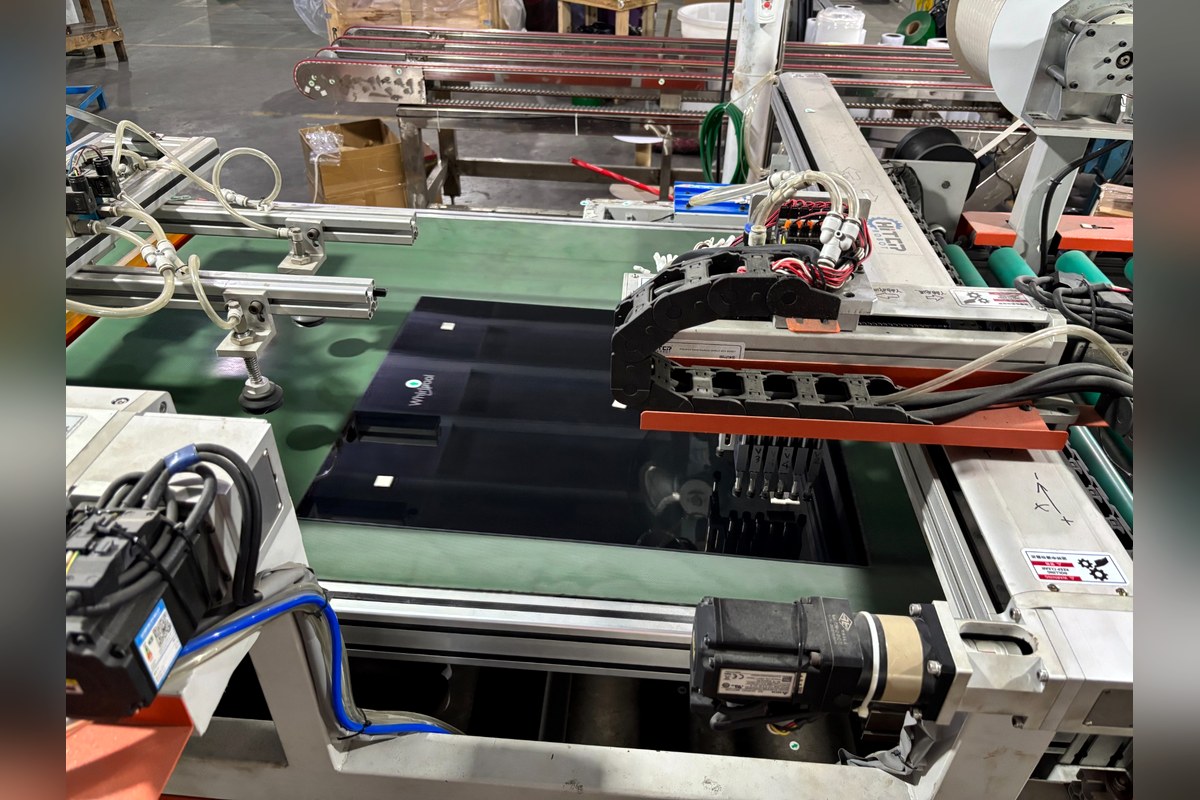
After decorative processing, protective film can help preserve the surface through downstream handling.
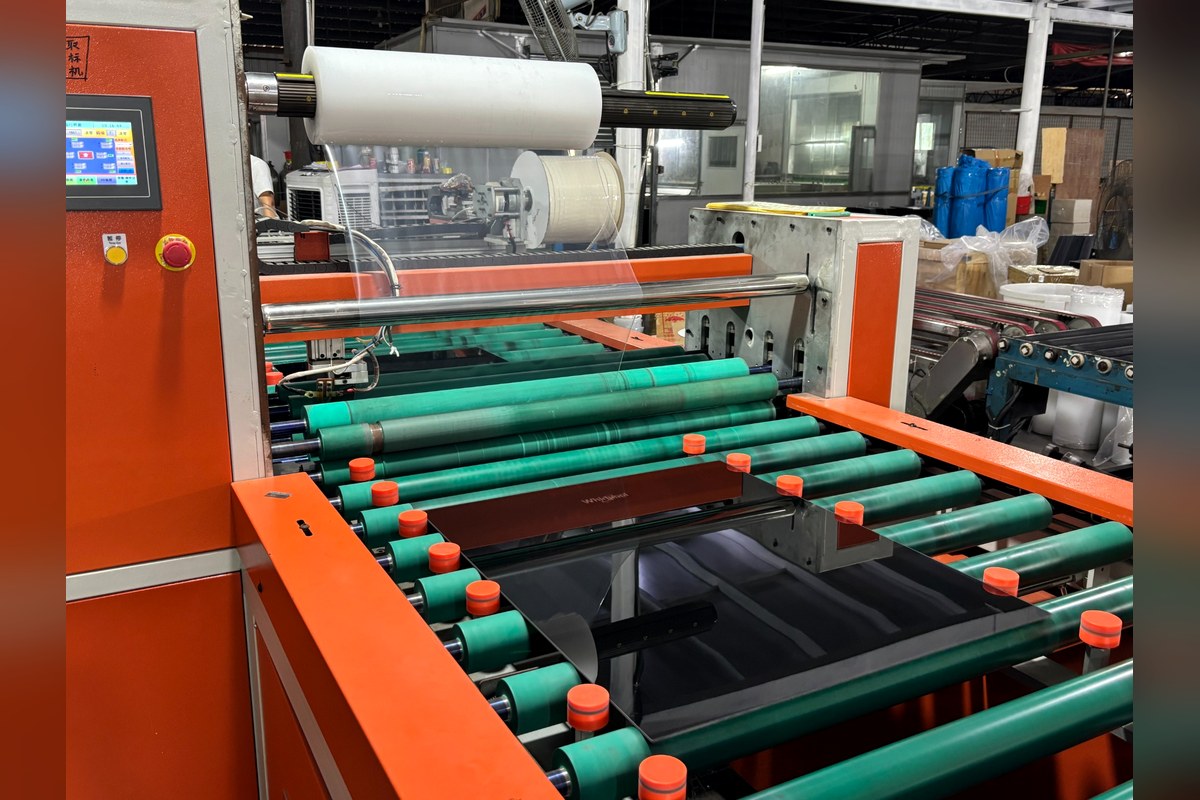
This is a representative OEM workflow, not a claim that every stage occurs in the same order for every ink system or glass design. Exact routing should be validated for each project.
For custom printed refrigerator glass, purchasing teams should request clear acceptance criteria rather than relying only on broad descriptions such as “high quality.” A practical inspection plan covers glass dimensions and thickness; edge quality; black print coverage; logo sharpness and location; visible scratches and defects; film adhesion and removal; and project-specific thermal shock and impact tests.
Similar customers often need more than one refrigerator door appearance. Depending on the approved design and manufacturing feasibility, OEM inquiries may cover custom panel dimensions, alternative thicknesses, decorative colors, silk-screen patterns, private-label logos, edge processing, and surface-protection requirements. Every option should be assessed against the intended product construction and test plan.
Relevant buyers include refrigerator OEM factories, appliance brand sourcing teams, product engineers, glass-component importers, and purchasing managers developing new refrigerator series or replacing an existing panel supplier.
Look for an appliance glass manufacturer that can review engineering drawings, produce printed glass samples, explain its quality controls, and coordinate protective handling. Zitaglass offers OEM/ODM glass manufacturing inquiries for refrigerator door panel projects.
Yes. The Whirlpool case uses black silk-screen printing with a defined brand logo. Artwork, ink selection, surface appearance, and sample approval should be confirmed before production.
No. The Whirlpool project specifies 3.2mm fully tempered glass, but thickness and glass construction must be selected for each appliance design and validated against its engineering and safety requirements.
Protective film can reduce handling-related surface damage during processing and transport. The appropriate film and removal conditions depend on the finished surface and supply chain.
Provide dimensioned drawings, glass thickness, print artwork, target color or reference sample, order volume, delivery market, packaging expectations, and any required tests or standards.
The Whirlpool refrigerator door glass case demonstrates ZITA glass manufacturing of 3.2mm fully tempered glass with black silk-screen decoration, a branded logo, automated processing, protective-film lamination, and project-specific quality testing. For refrigerator manufacturers seeking customized printed glass panels, early alignment on drawings, appearance standards, testing, and packaging is essential.
Contact ZITA glass with your technical drawings and estimated quantities to discuss an OEM/ODM refrigerator door glass solution. Website: https://www.zitaglass.com